Buy selfpublishing.eu ?
We are moving the project
selfpublishing.eu .
Are you interested in purchasing the domain
selfpublishing.eu ?
domain@kv-gmbh.de · 0541-91531010
Buy selfpublishing.eu ?
What is the difference between self-pollination and cross-pollination?
Self-pollination occurs when pollen from the same plant fertilizes the ovules within the same flower or between different flowers on the same plant. This can happen through the transfer of pollen by wind, water, or self-pollinating mechanisms. On the other hand, cross-pollination involves the transfer of pollen from the male reproductive organ of one plant to the female reproductive organ of another plant of the same species. This process promotes genetic diversity and can result in stronger, more resilient offspring. **
Why is artificial cross-pollination a complicated process?
Artificial cross-pollination is a complicated process because it requires careful manipulation of the reproductive organs of plants to ensure successful fertilization. This involves identifying the right parent plants, timing the pollination process correctly, and ensuring that the pollen is transferred to the right part of the plant. Additionally, artificial cross-pollination requires meticulous attention to detail to prevent contamination from unwanted pollen and to maintain the genetic purity of the resulting offspring. Overall, the process demands precision and expertise to achieve the desired outcomes. **

Similar search terms for Cross-pollination
Top-Angebote
Products related to Cross-pollination:
-
Silver Cross Kensington Storage Dust CoverThe Kensington storage cover is tailored to fit your pram perfectly and provides ideal protection against dust, dampness and scratches.It is finished in a high quality light grey fabric with an elegant repeat woven Silver Cross logo design.Key...129,99 $*Shipping: 0,00 $Secure redirect to the provider
-
Inspire Essentials Nordic Minimalist LED Wall Lamp Cross Design Modern Sconce Light e cold LightElevate your space with this sleek modern wall lamp that blends art and lighting into one stunning piece. Designed with a clean cross shape this Nordic LED wall light adds a soft ambient glow while enhancing your decor. Its minimalist style creates...334,50 $*Shipping: 0,00 $Secure redirect to the provider
-
Silver Cross Balmoral Classic Pram Storage CoverThe Balmoral storage cover is tailored to fit your pram perfectly and provides ideal protection against dust, dampness and scratches. It is finished in a high quality light grey fabric with an elegant repeat woven Silver Cross logo design.; Made in...129,99 $*Shipping: 0,00 $Secure redirect to the provider


-
What is pollination in flowers?
Pollination in flowers is the process by which pollen from the male reproductive organs (anthers) of a flower is transferred to the female reproductive organs (stigma) of the same or another flower, leading to fertilization and the production of seeds. This transfer of pollen can occur through various means, including wind, water, and animals such as bees, butterflies, and birds. Pollination is essential for the reproduction of flowering plants and the production of fruits and seeds. **
-
How does pollination occur in insects?
Pollination in insects occurs when they visit flowers in search of nectar or pollen. As they feed, they inadvertently brush against the reproductive parts of the flower, picking up pollen grains. When the insect moves to another flower of the same species, some of this pollen is transferred to the stigma, fertilizing the flower. This process allows for the successful reproduction of many plant species with the help of insect pollinators. **
-
What forms of pollination exist in primroses?
Primroses exhibit both self-pollination and cross-pollination. Self-pollination occurs when the plant's own pollen fertilizes its own ovules, leading to genetic uniformity. Cross-pollination, on the other hand, involves the transfer of pollen from one plant to another, promoting genetic diversity. Primroses can be pollinated by insects, such as bees and butterflies, as well as by wind. **
-
How does the pollination of insects occur?
Insect pollination occurs when insects, such as bees, butterflies, and beetles, visit flowers in search of nectar or pollen. As they move from flower to flower, they inadvertently transfer pollen from the male reproductive parts of one flower to the female reproductive parts of another. This transfer of pollen allows for fertilization and the production of seeds and fruits. Insects are attracted to flowers by their colors, scents, and nectar, and in the process of feeding, they facilitate the crucial process of pollination. **


What terms exist for external and internal pollination?
External pollination occurs when pollen is transferred between flowers by an external agent, such as wind, water, or animals. Internal pollination, on the other hand, occurs when pollen is transferred within the same flower or between flowers of the same plant. Both types of pollination are essential for the reproduction of many plant species. **
How long does the poplar pollination period last?
The poplar pollination period typically lasts for about 1-2 weeks. During this time, the male poplar trees release pollen into the air, which is then carried by the wind to the female trees for fertilization. This period usually occurs in the spring, and the exact timing can vary depending on the specific species of poplar and local environmental conditions. **
Top-Angebote
Products related to Cross-pollination:
-
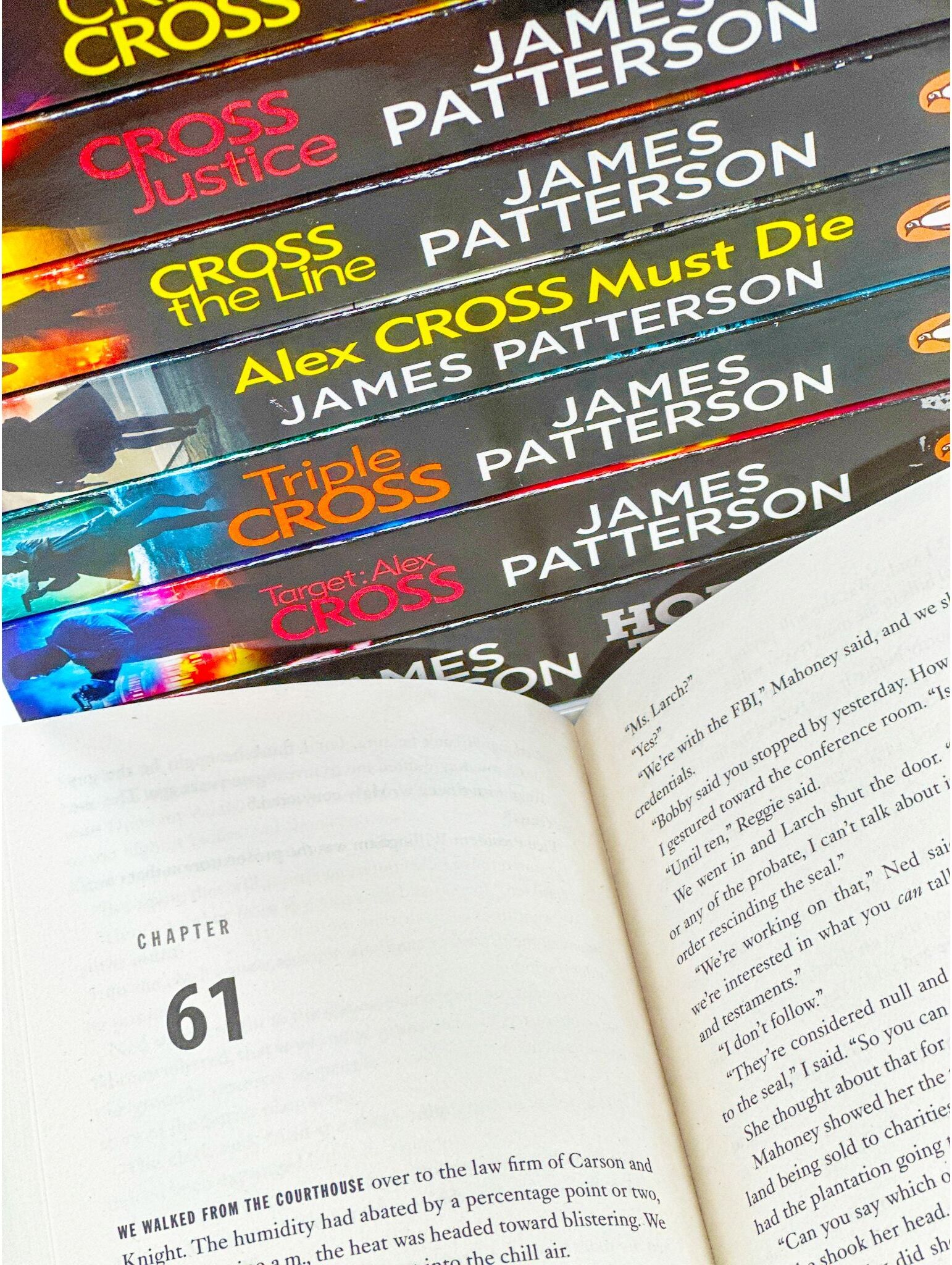
Penguin/Arrow Books James Patterson Alex Cross Series 10 Books Collection Set (Fear No Evil, The People vs. Alex Cross, Criss Cross, Cross the Line, Deadly Cross & More)James Patterson Alex Cross Series 10 Books Collection Set (Fear No Evil, The People vs. Alex Cross, Criss Cross, Cross the Line, Deadly Cross & More) Follow one of fiction’s most iconic detectives in the James Patterson Alex Cross Series – 10 Books Collection Set. This gripping collection features bestselling crime thrillers starring Alex Cross, a brilliant detective and forensic psychologist known for solving the toughest cases while facing dangerous enemies and personal challenges. Packed with fast-paced action, shocking twists, and high-stakes investigations, these novels showcase why the Alex Cross series is one of the best-loved crime thriller franchises worldwide. Titles in this Set: Fear No Evil The People vs. Alex Cross Criss Cross Cross Justice Cross the Line Deadly Cross Alex Cross Must Die Triple Cross Target: Alex Cross Hope to Die24,99 £*Shipping: 2,99 £Secure redirect to the provider
-
Silver Cross Balmoral Storage Dust CoverThe Balmoral storage cover is tailored to fit your pram perfectly and provides ideal protection against dust, dampness and scratches.It is finished in a high quality light grey fabric with an elegant repeat woven Silver Cross logo design.Key...129,99 $*Shipping: 0,00 $Secure redirect to the provider
-
Silver Cross Kensington Storage Dust CoverThe Kensington storage cover is tailored to fit your pram perfectly and provides ideal protection against dust, dampness and scratches.It is finished in a high quality light grey fabric with an elegant repeat woven Silver Cross logo design.Key...129,99 $*Shipping: 0,00 $Secure redirect to the provider
-
Inspire Essentials Nordic Minimalist LED Wall Lamp Cross Design Modern Sconce Light e cold LightElevate your space with this sleek modern wall lamp that blends art and lighting into one stunning piece. Designed with a clean cross shape this Nordic LED wall light adds a soft ambient glow while enhancing your decor. Its minimalist style creates...334,50 $*Shipping: 0,00 $Secure redirect to the provider
-
What is the difference between self-pollination and cross-pollination?
Self-pollination occurs when pollen from the same plant fertilizes the ovules within the same flower or between different flowers on the same plant. This can happen through the transfer of pollen by wind, water, or self-pollinating mechanisms. On the other hand, cross-pollination involves the transfer of pollen from the male reproductive organ of one plant to the female reproductive organ of another plant of the same species. This process promotes genetic diversity and can result in stronger, more resilient offspring. **
-
Why is artificial cross-pollination a complicated process?
Artificial cross-pollination is a complicated process because it requires careful manipulation of the reproductive organs of plants to ensure successful fertilization. This involves identifying the right parent plants, timing the pollination process correctly, and ensuring that the pollen is transferred to the right part of the plant. Additionally, artificial cross-pollination requires meticulous attention to detail to prevent contamination from unwanted pollen and to maintain the genetic purity of the resulting offspring. Overall, the process demands precision and expertise to achieve the desired outcomes. **
-
What is pollination in flowers?
Pollination in flowers is the process by which pollen from the male reproductive organs (anthers) of a flower is transferred to the female reproductive organs (stigma) of the same or another flower, leading to fertilization and the production of seeds. This transfer of pollen can occur through various means, including wind, water, and animals such as bees, butterflies, and birds. Pollination is essential for the reproduction of flowering plants and the production of fruits and seeds. **
-
How does pollination occur in insects?
Pollination in insects occurs when they visit flowers in search of nectar or pollen. As they feed, they inadvertently brush against the reproductive parts of the flower, picking up pollen grains. When the insect moves to another flower of the same species, some of this pollen is transferred to the stigma, fertilizing the flower. This process allows for the successful reproduction of many plant species with the help of insect pollinators. **
Similar search terms for Cross-pollination
-
Silver Cross Balmoral Classic Pram Storage CoverThe Balmoral storage cover is tailored to fit your pram perfectly and provides ideal protection against dust, dampness and scratches. It is finished in a high quality light grey fabric with an elegant repeat woven Silver Cross logo design.; Made in...129,99 $*Shipping: 0,00 $Secure redirect to the provider
-
Saro Lifestyle Woven Cross Stitch Design Throw BlanketYou'll want to cozy up with this incredibly soft Cross Thread Throw Blanket every day. Designed to feel just as warm as your softest knitted sweater, it's made with 100% premium cotton - known for its lasting quality and fabulous hand feel.33,07 $*Shipping: 0,00 $Secure redirect to the provider
-
Inspire Essentials Nordic Minimalist LED Wall Lamp Cross Design Modern Sconce Light e warm LightElevate your space with this sleek modern wall lamp that blends art and lighting into one stunning piece. Designed with a clean cross shape this Nordic LED wall light adds a soft ambient glow while enhancing your decor. Its minimalist style creates...334,50 $*Shipping: 0,00 $Secure redirect to the provider
-
What forms of pollination exist in primroses?
Primroses exhibit both self-pollination and cross-pollination. Self-pollination occurs when the plant's own pollen fertilizes its own ovules, leading to genetic uniformity. Cross-pollination, on the other hand, involves the transfer of pollen from one plant to another, promoting genetic diversity. Primroses can be pollinated by insects, such as bees and butterflies, as well as by wind. **
-
How does the pollination of insects occur?
Insect pollination occurs when insects, such as bees, butterflies, and beetles, visit flowers in search of nectar or pollen. As they move from flower to flower, they inadvertently transfer pollen from the male reproductive parts of one flower to the female reproductive parts of another. This transfer of pollen allows for fertilization and the production of seeds and fruits. Insects are attracted to flowers by their colors, scents, and nectar, and in the process of feeding, they facilitate the crucial process of pollination. **
-
What terms exist for external and internal pollination?
External pollination occurs when pollen is transferred between flowers by an external agent, such as wind, water, or animals. Internal pollination, on the other hand, occurs when pollen is transferred within the same flower or between flowers of the same plant. Both types of pollination are essential for the reproduction of many plant species. **
-
How long does the poplar pollination period last?
The poplar pollination period typically lasts for about 1-2 weeks. During this time, the male poplar trees release pollen into the air, which is then carried by the wind to the female trees for fertilization. This period usually occurs in the spring, and the exact timing can vary depending on the specific species of poplar and local environmental conditions. **
* All prices are inclusive of VAT and, if applicable, plus shipping costs. The offer information is based on the details provided by the respective shop and is updated through automated processes. Real-time updates do not occur, so deviations can occur in individual cases. ** Note: Parts of this content were created by AI.