Buy selfpublishing.eu ?
We are moving the project
selfpublishing.eu .
Are you interested in purchasing the domain
selfpublishing.eu ?
domain@kv-gmbh.de · 0541-91531010
Buy selfpublishing.eu ?
What is the golden ratio in art?
The golden ratio, also known as the divine proportion or golden mean, is a mathematical ratio of approximately 1:1.618. In art, the golden ratio is a design principle that is believed to create aesthetically pleasing compositions. It is often used to determine the proportions and placement of elements within a piece of art, architecture, or design. Artists and designers have been using the golden ratio for centuries to create visually harmonious and balanced works. **
What were the golden 1920s for art?
The 1920s were a golden era for art as it was a time of great innovation and creativity. This period saw the rise of various art movements such as Dadaism, Surrealism, and Art Deco, which pushed the boundaries of traditional art forms and embraced new techniques and styles. Artists like Pablo Picasso, Salvador Dali, and Georgia O'Keeffe made significant contributions to the art world during this time, and their work continues to be celebrated today. The 1920s also saw a flourishing of jazz music, which inspired many artists and became a significant cultural influence on the art of the time. Overall, the 1920s were a time of artistic freedom and experimentation, leading to a rich and diverse artistic landscape. **
Similar search terms for Golden-Arrangement-Art
Top-Angebote
Products related to Golden-Arrangement-Art:
-
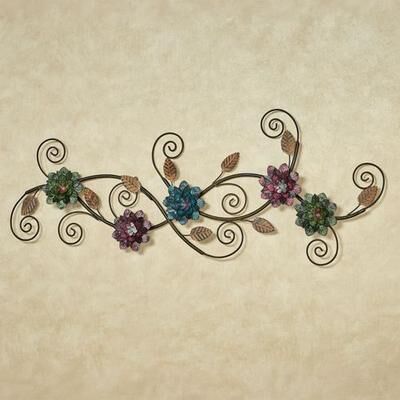
Touch of Class Samar Floral Wall Art Golden Bronze , Golden BronzeSwirling vines and flower blossoms add beauty to the Samar Wall Art. Made of metal, this nature-inspired wall sculpture has a golden bronze finish and flowers in purple, navy, and green. Measures 38 Wx1.5 Dx15.5 H. This item is our exclusive!...64,99 $*Shipping: 13,95 $Secure redirect to the provider
-
Inspired Finds Vintage Japanese Crane Ukiyo e Wall Art Red Sun Pine Print 15.75x19.69 In golden Crane ArtBring a sense of calm, balance, and timeless beauty into your space with artwork inspired by centuries of tradition. This Japanese crane wall art reflects the elegance of classic ukiyoe design, known for its vivid colors and refined composition. The...42,99 $*Shipping: 0,00 $Secure redirect to the provider
-
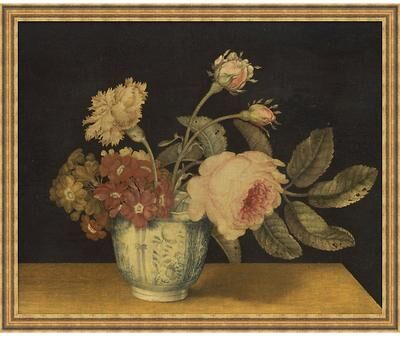
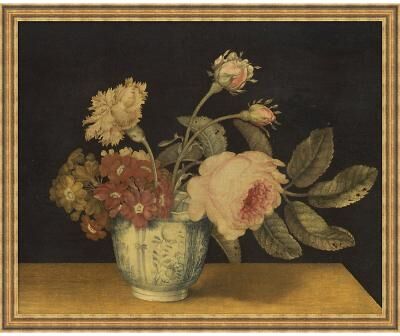
"Golden Arrangement Art - 23"" x 28"" - Ballard Designs"This moody still life by English artist, Alexander Marshal, is a lovely example of 17th-century botanical art, where nature's delicate beauty is captured in rich, lifelike detail. The arrangement, thoughtfully composed within a traditional...391,20 $*Shipping: 46,94 $Secure redirect to the provider

-
How do I design a cover page for art?
When designing a cover page for art, consider using a visually striking image that represents the theme or subject of the art. You can also incorporate elements such as bold typography, color schemes, and textures that complement the artwork and create a cohesive design. Additionally, think about the overall mood or feeling you want to convey with the cover page and use design elements to evoke that emotion. Lastly, make sure to balance the visual elements and negative space to create a clean and impactful design. **
-
How do I design a cover page in art?
When designing a cover page in art, consider the purpose and theme of the project or document. Use visual elements such as color, composition, and imagery to create a visually appealing and cohesive design. Incorporate typography that complements the overall aesthetic and effectively communicates the title or main message. Experiment with different techniques and mediums to add depth and interest to the cover page, and don't be afraid to let your creativity shine through. **
-
Is art necessary for a future art or design study?
Art is essential for a future art or design study as it provides a foundation for creativity, critical thinking, and visual communication skills. Studying art allows individuals to develop their artistic abilities, explore different techniques and mediums, and gain a deeper understanding of art history and theory. Additionally, art helps students cultivate their unique artistic voice and perspective, which are crucial for success in a future art or design career. **
-
What makes art art?
Art can be defined as a form of creative expression that evokes emotions, stimulates the senses, and communicates ideas. It is a reflection of the artist's unique perspective and can take many different forms, such as painting, sculpture, music, literature, or performance. What makes art art is its ability to inspire, provoke thought, and connect people on a deeper level through the power of creativity and imagination. Ultimately, art is a way for individuals to express themselves and make sense of the world around them. **

Art therapy or art education?
Art therapy and art education serve different purposes and cater to different needs. Art therapy is a form of therapy that uses the creative process of making art to improve a person's physical, mental, and emotional well-being. It is typically used as a form of treatment for individuals dealing with trauma, stress, or mental health issues. On the other hand, art education focuses on teaching artistic skills, techniques, and art history to individuals who are interested in developing their artistic abilities. Both are valuable in their own right, with art therapy providing therapeutic benefits and art education fostering creativity and skill development. Ultimately, the choice between art therapy and art education depends on the individual's goals and needs. **
Is street art considered art?
Yes, street art is considered a form of art. It is a visual art created in public locations, often using unconventional materials and techniques. Street art can convey powerful messages, challenge societal norms, and beautify urban spaces. While it may not always conform to traditional art standards, street art is widely recognized and appreciated as a legitimate form of artistic expression. **
Top-Angebote
Products related to Golden-Arrangement-Art:
-
"Golden Arrangement Art - 29"" x 36"" - Ballard Designs"This moody still life by English artist, Alexander Marshal, is a lovely example of 17th-century botanical art, where nature's delicate beauty is captured in rich, lifelike detail. The arrangement, thoughtfully composed within a traditional...471,20 $*Shipping: 56,54 $Secure redirect to the provider
-
Touch of Class Samar Floral Wall Art Golden Bronze , Golden BronzeSwirling vines and flower blossoms add beauty to the Samar Wall Art. Made of metal, this nature-inspired wall sculpture has a golden bronze finish and flowers in purple, navy, and green. Measures 38 Wx1.5 Dx15.5 H. This item is our exclusive!...64,99 $*Shipping: 13,95 $Secure redirect to the provider
-
What is the golden ratio in art?
The golden ratio, also known as the divine proportion or golden mean, is a mathematical ratio of approximately 1:1.618. In art, the golden ratio is a design principle that is believed to create aesthetically pleasing compositions. It is often used to determine the proportions and placement of elements within a piece of art, architecture, or design. Artists and designers have been using the golden ratio for centuries to create visually harmonious and balanced works. **
-
What were the golden 1920s for art?
The 1920s were a golden era for art as it was a time of great innovation and creativity. This period saw the rise of various art movements such as Dadaism, Surrealism, and Art Deco, which pushed the boundaries of traditional art forms and embraced new techniques and styles. Artists like Pablo Picasso, Salvador Dali, and Georgia O'Keeffe made significant contributions to the art world during this time, and their work continues to be celebrated today. The 1920s also saw a flourishing of jazz music, which inspired many artists and became a significant cultural influence on the art of the time. Overall, the 1920s were a time of artistic freedom and experimentation, leading to a rich and diverse artistic landscape. **
-
How do I design a cover page for art?
When designing a cover page for art, consider using a visually striking image that represents the theme or subject of the art. You can also incorporate elements such as bold typography, color schemes, and textures that complement the artwork and create a cohesive design. Additionally, think about the overall mood or feeling you want to convey with the cover page and use design elements to evoke that emotion. Lastly, make sure to balance the visual elements and negative space to create a clean and impactful design. **
-
How do I design a cover page in art?
When designing a cover page in art, consider the purpose and theme of the project or document. Use visual elements such as color, composition, and imagery to create a visually appealing and cohesive design. Incorporate typography that complements the overall aesthetic and effectively communicates the title or main message. Experiment with different techniques and mediums to add depth and interest to the cover page, and don't be afraid to let your creativity shine through. **
Similar search terms for Golden-Arrangement-Art
-
Inspired Finds Vintage Japanese Crane Ukiyo e Wall Art Red Sun Pine Print 15.75x19.69 In golden Crane ArtBring a sense of calm, balance, and timeless beauty into your space with artwork inspired by centuries of tradition. This Japanese crane wall art reflects the elegance of classic ukiyoe design, known for its vivid colors and refined composition. The...42,99 $*Shipping: 0,00 $Secure redirect to the provider
-
"Golden Arrangement Art - 23"" x 28"" - Ballard Designs"This moody still life by English artist, Alexander Marshal, is a lovely example of 17th-century botanical art, where nature's delicate beauty is captured in rich, lifelike detail. The arrangement, thoughtfully composed within a traditional...391,20 $*Shipping: 46,94 $Secure redirect to the provider
-
"Golden Arrangement Art - 16"" x 20"" - Ballard Designs"This moody still life by English artist, Alexander Marshal, is a lovely example of 17th-century botanical art, where nature's delicate beauty is captured in rich, lifelike detail. The arrangement, thoughtfully composed within a traditional...279,20 $*Shipping: 39,95 $Secure redirect to the provider
-
Is art necessary for a future art or design study?
Art is essential for a future art or design study as it provides a foundation for creativity, critical thinking, and visual communication skills. Studying art allows individuals to develop their artistic abilities, explore different techniques and mediums, and gain a deeper understanding of art history and theory. Additionally, art helps students cultivate their unique artistic voice and perspective, which are crucial for success in a future art or design career. **
-
What makes art art?
Art can be defined as a form of creative expression that evokes emotions, stimulates the senses, and communicates ideas. It is a reflection of the artist's unique perspective and can take many different forms, such as painting, sculpture, music, literature, or performance. What makes art art is its ability to inspire, provoke thought, and connect people on a deeper level through the power of creativity and imagination. Ultimately, art is a way for individuals to express themselves and make sense of the world around them. **
-
Art therapy or art education?
Art therapy and art education serve different purposes and cater to different needs. Art therapy is a form of therapy that uses the creative process of making art to improve a person's physical, mental, and emotional well-being. It is typically used as a form of treatment for individuals dealing with trauma, stress, or mental health issues. On the other hand, art education focuses on teaching artistic skills, techniques, and art history to individuals who are interested in developing their artistic abilities. Both are valuable in their own right, with art therapy providing therapeutic benefits and art education fostering creativity and skill development. Ultimately, the choice between art therapy and art education depends on the individual's goals and needs. **
-
Is street art considered art?
Yes, street art is considered a form of art. It is a visual art created in public locations, often using unconventional materials and techniques. Street art can convey powerful messages, challenge societal norms, and beautify urban spaces. While it may not always conform to traditional art standards, street art is widely recognized and appreciated as a legitimate form of artistic expression. **
* All prices are inclusive of VAT and, if applicable, plus shipping costs. The offer information is based on the details provided by the respective shop and is updated through automated processes. Real-time updates do not occur, so deviations can occur in individual cases. ** Note: Parts of this content were created by AI.