Buy selfpublishing.eu ?
We are moving the project
selfpublishing.eu .
Are you interested in purchasing the domain
selfpublishing.eu ?
domain@kv-gmbh.de · 0541-91531010
Buy selfpublishing.eu ?
How do you transform an object clause or a subject clause into a dependent clause (subordinate clause)?
To transform an object clause or a subject clause into a dependent clause, you can add a subordinating conjunction at the beginning of the clause. For example, changing "I know that he is coming" (object clause) to "I know when he is coming" (dependent clause). Another way is to remove the subject or object pronoun and change the verb form to make it dependent on the main clause. For instance, changing "She believes she can win" (subject clause) to "She believes she can win" (dependent clause). **
Is an infinitive clause a subordinate clause?
Yes, an infinitive clause is a type of subordinate clause. It functions as a single unit within a sentence and is dependent on the main clause for its meaning. Infinitive clauses typically begin with the word "to" followed by a verb, and they can serve various purposes such as expressing purpose, result, or obligation. **


Similar search terms for Clause
Top-Angebote
Products related to Clause:
-
Daily Deals Depot Santa Clause Peeker Yard Ornament, Christmas Fence Decoration, Indoor Outdoor Holiday Placard, DIY Festival Gift greenBring the festive spirit to life with this Christmas Fence Ornament Santa Clause Peeker Yard Decoration, the perfect way to surprise neighbors and delight guests this holiday season. Designed for indoor and outdoor use, this charming Santa Clause...21,97 $*Shipping: 0,00 $Secure redirect to the provider
-
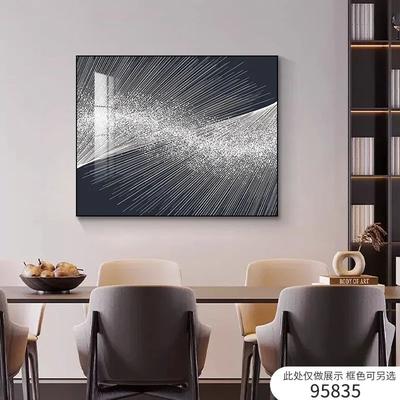
Inspire Select LuxeCover Modern Electric Meter Box Decorative Wall Art Abstract Distribution Box Concealer Panel e 15.7 11.8 InTurn an unsightly utility panel into a stunning focal point of your home. This electric meter box decorative painting is designed for homeowners who want to conceal switch boxes and distribution panels without compromising on style. Featuring a...206,96 $*Shipping: 0,00 $Secure redirect to the provider
-
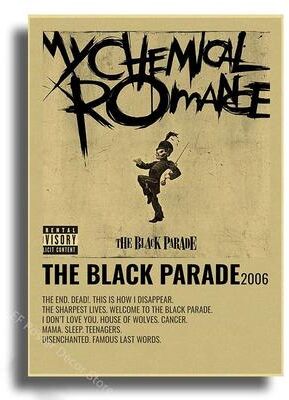
Uplifted Goods Modern Indie & Retro Music Album Aesthetic Art Print e a4Celebrate your favorite sounds and elevate your environment with this high quality indie music album art print. It is made from high quality, fade resistant professional paper materials that provide a stable and contemporary aesthetic for your home....34,97 $*Shipping: 0,00 $Secure redirect to the provider
-
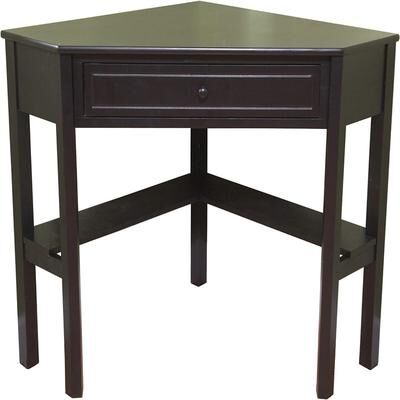
No Marketing Systems Wood Corner Desk"The corner desk measures 42"" X 28"" X 30"" And Weighs 42 lbs. Arrives with only minimal Assembly required. Comfortably fitting in any home, studio, apartment, and office, The small corner writing desk maximizes space in compact rooms."269,99 $*Shipping: 0,00 $Secure redirect to the provider

-
What are main clause-subordinate clause constructions?
Main clause-subordinate clause constructions are sentences that consist of a main clause and one or more subordinate clauses. The main clause is a complete sentence that can stand alone, while the subordinate clause depends on the main clause for its meaning and cannot stand alone. Subordinate clauses often begin with subordinating conjunctions such as "because," "although," "if," or "when," and they provide additional information or context to the main clause. These constructions allow for more complex and nuanced sentence structures, and they are commonly used in both spoken and written language. **
-
Can an adverbial clause also be a subject clause or an object clause?
No, an adverbial clause cannot be a subject clause or an object clause. An adverbial clause functions as an adverb to modify a verb, adjective, or adverb in a sentence. Subject clauses and object clauses, on the other hand, serve as the subject or object of the main clause, respectively. Each type of clause has a specific grammatical function within a sentence. **
-
Is the main clause and subordinate clause correct?
To determine if the main clause and subordinate clause are correct, you need to ensure that they are grammatically sound and that they make sense when combined. The main clause should be able to stand alone as a complete sentence, while the subordinate clause provides additional information but cannot stand alone. Checking for subject-verb agreement and proper punctuation between the two clauses can help confirm their correctness. **
-
How do I recognize a relative clause, a conjunctional clause, and an interrogative clause?
A relative clause typically starts with a relative pronoun (such as who, whom, whose, which, or that) and provides more information about a noun in the main clause. A conjunctional clause, on the other hand, is introduced by a conjunction (such as and, but, or because) and connects two independent clauses. An interrogative clause is a type of clause that asks a question and is typically introduced by an interrogative pronoun (such as who, what, when, where, why, or how) or an interrogative adverb (such as how, when, or where). **

How can I recognize a relative clause, a conjunctional clause, and an interrogative clause?
A relative clause is a type of dependent clause that typically starts with a relative pronoun (such as who, whom, whose, which, or that) and provides additional information about a noun in the main clause. A conjunctional clause, on the other hand, is a dependent clause that functions as an adverb, adjective, or noun in a sentence and is connected to the main clause by a conjunction (such as because, although, if, when, etc.). An interrogative clause is a type of clause that asks a question and typically begins with a question word (such as who, what, where, when, why, or how) or with a helping verb followed by the subject. **
What is the main clause, subordinate clause 1st degree, and subordinate clause 2nd degree?
The main clause is the independent clause that contains the main idea of the sentence. It can stand alone as a complete sentence. The subordinate clause 1st degree is a clause that depends on the main clause for its meaning and cannot stand alone as a complete sentence. The subordinate clause 2nd degree is a clause that depends on the subordinate clause 1st degree for its meaning and cannot stand alone as a complete sentence. **
Top-Angebote
Products related to Clause:
-
Combo Retail Shop Christmas Fence Ornaments, Santa Clause Peeker, Yard Ornaments, Indoor Outdoor, DIY Festival Gift redBring the magic of the holidays to your home with these charming Christmas Fence Ornaments. Featuring a playful Santa Clause Peeker, these yard decorations are perfect for both indoor and outdoor spaces. Crafted to brighten your garden, lawn, or...44,97 $*Shipping: 0,00 $Secure redirect to the provider
-
ModernMart Christmas Fence Decoration: Santa, Snowman, Reindeer, Penguin Peeker Ornaments For Indoor Outdoor Festivities Color: Santa ClauseChristmas Fence Decoration Santa Clause Snowman Reindeer Penguin Peeker Yard Ornaments Indoor Outdoor Festival Gift Christmas Fence Decoration Santa Clause Snowman Reindeer Penguin Peeker Brand new & high quality Material: PP plastic Color:...20,00 $*Shipping: 0,00 $Secure redirect to the provider
-
Daily Deals Depot Santa Clause Peeker Yard Ornament, Christmas Fence Decoration, Indoor Outdoor Holiday Placard, DIY Festival Gift greenBring the festive spirit to life with this Christmas Fence Ornament Santa Clause Peeker Yard Decoration, the perfect way to surprise neighbors and delight guests this holiday season. Designed for indoor and outdoor use, this charming Santa Clause...21,97 $*Shipping: 0,00 $Secure redirect to the provider
-
Inspire Select LuxeCover Modern Electric Meter Box Decorative Wall Art Abstract Distribution Box Concealer Panel e 15.7 11.8 InTurn an unsightly utility panel into a stunning focal point of your home. This electric meter box decorative painting is designed for homeowners who want to conceal switch boxes and distribution panels without compromising on style. Featuring a...206,96 $*Shipping: 0,00 $Secure redirect to the provider
-
How do you transform an object clause or a subject clause into a dependent clause (subordinate clause)?
To transform an object clause or a subject clause into a dependent clause, you can add a subordinating conjunction at the beginning of the clause. For example, changing "I know that he is coming" (object clause) to "I know when he is coming" (dependent clause). Another way is to remove the subject or object pronoun and change the verb form to make it dependent on the main clause. For instance, changing "She believes she can win" (subject clause) to "She believes she can win" (dependent clause). **
-
Is an infinitive clause a subordinate clause?
Yes, an infinitive clause is a type of subordinate clause. It functions as a single unit within a sentence and is dependent on the main clause for its meaning. Infinitive clauses typically begin with the word "to" followed by a verb, and they can serve various purposes such as expressing purpose, result, or obligation. **
-
What are main clause-subordinate clause constructions?
Main clause-subordinate clause constructions are sentences that consist of a main clause and one or more subordinate clauses. The main clause is a complete sentence that can stand alone, while the subordinate clause depends on the main clause for its meaning and cannot stand alone. Subordinate clauses often begin with subordinating conjunctions such as "because," "although," "if," or "when," and they provide additional information or context to the main clause. These constructions allow for more complex and nuanced sentence structures, and they are commonly used in both spoken and written language. **
-
Can an adverbial clause also be a subject clause or an object clause?
No, an adverbial clause cannot be a subject clause or an object clause. An adverbial clause functions as an adverb to modify a verb, adjective, or adverb in a sentence. Subject clauses and object clauses, on the other hand, serve as the subject or object of the main clause, respectively. Each type of clause has a specific grammatical function within a sentence. **
Similar search terms for Clause
-
Uplifted Goods Modern Indie & Retro Music Album Aesthetic Art Print e a4Celebrate your favorite sounds and elevate your environment with this high quality indie music album art print. It is made from high quality, fade resistant professional paper materials that provide a stable and contemporary aesthetic for your home....34,97 $*Shipping: 0,00 $Secure redirect to the provider
-
No Marketing Systems Wood Corner Desk"The corner desk measures 42"" X 28"" X 30"" And Weighs 42 lbs. Arrives with only minimal Assembly required. Comfortably fitting in any home, studio, apartment, and office, The small corner writing desk maximizes space in compact rooms."269,99 $*Shipping: 0,00 $Secure redirect to the provider
-
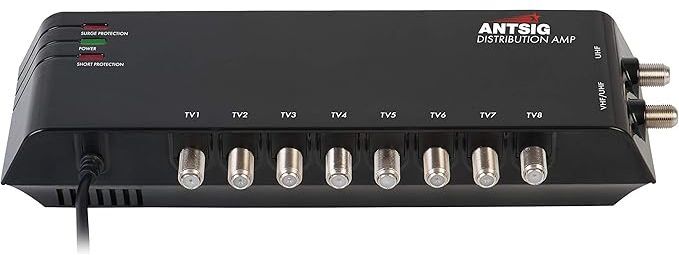
Antsig Distribution Amplifier 8 Way, NewEnsure crystal-clear signal strength across multiple devices with the Antsig Distribution Amplifier 8 Way — a reliable and high-performance solution for distributing digital TV, FM, or DAB signals to multiple TVs or tuners in your home or commercial setup. This amplifier is designed to boost signal strength and maintain picture and sound quality, especially in areas with weak reception. Whether you're connecting TVs in different rooms or setting up a home entertainment system, Antsig delivers superior signal stability and wide coverage, making it the perfect choice for seamless media enjoyment. 🔶 ( 8-Way Signal Distribution ) – Distributes amplified signal to up to 8 different TVs or devices without signal loss. 🔶 ( High Gain Amplification ) – Enhances weak signals, improving clarity and reception across all connected devices. 🔶 ( Digital TV, FM & DAB Compatible ) – Supports a wide range of signals for versatile use in your entertainment setup. 🔶 ( Easy Plug-and-Play Installation ) – Simple setup with no complex configuration needed; ready to go out of the box. 🔶 ( Low Noise Output ) – Delivers a clean, interference-free signal for superior audio and video performance. 🔶 ( Compact & Durable Design ) – Space-saving design fits easily into any setup and built with long-lasting components. 🔶 ( Ideal for Homes & Commercial Spaces ) – Perfect for large households, offices, apartments, and hotels. 🔶 ( Power Supply Included ) – Comes complete with its own power adapter for uninterrupted performance. 🔶 ( Stable Signal Across All Ports ) – Ensures consistent signal strength across all 8 outputs. 🔶 ( Wall-Mountable Option ) – Flexible installation with optional wall mounting for better space management. The Antsig Distribution Amplifier 8 Way is the ultimate solution for homes or businesses needing consistent, high-quality signal distribution across multiple screens. Say goodbye to signal dropouts and enjoy uninterrupted entertainment with strong, stable performance in every room. Ideal for digital TV installations, this amplifier ensures you get the best possible viewing and listening experience from all your connected devices.24,99 £*Shipping: 0,00 £Secure redirect to the provider
-
Combo Retail Shop Christmas Fence Ornaments, Santa Clause Peeker, Yard Ornaments, Indoor Outdoor, DIY Festival Gift greenBring the magic of the holidays to your home with these charming Christmas Fence Ornaments. Featuring a playful Santa Clause Peeker, these yard decorations are perfect for both indoor and outdoor spaces. Crafted to brighten your garden, lawn, or...44,97 $*Shipping: 0,00 $Secure redirect to the provider
-
Is the main clause and subordinate clause correct?
To determine if the main clause and subordinate clause are correct, you need to ensure that they are grammatically sound and that they make sense when combined. The main clause should be able to stand alone as a complete sentence, while the subordinate clause provides additional information but cannot stand alone. Checking for subject-verb agreement and proper punctuation between the two clauses can help confirm their correctness. **
-
How do I recognize a relative clause, a conjunctional clause, and an interrogative clause?
A relative clause typically starts with a relative pronoun (such as who, whom, whose, which, or that) and provides more information about a noun in the main clause. A conjunctional clause, on the other hand, is introduced by a conjunction (such as and, but, or because) and connects two independent clauses. An interrogative clause is a type of clause that asks a question and is typically introduced by an interrogative pronoun (such as who, what, when, where, why, or how) or an interrogative adverb (such as how, when, or where). **
-
How can I recognize a relative clause, a conjunctional clause, and an interrogative clause?
A relative clause is a type of dependent clause that typically starts with a relative pronoun (such as who, whom, whose, which, or that) and provides additional information about a noun in the main clause. A conjunctional clause, on the other hand, is a dependent clause that functions as an adverb, adjective, or noun in a sentence and is connected to the main clause by a conjunction (such as because, although, if, when, etc.). An interrogative clause is a type of clause that asks a question and typically begins with a question word (such as who, what, where, when, why, or how) or with a helping verb followed by the subject. **
-
What is the main clause, subordinate clause 1st degree, and subordinate clause 2nd degree?
The main clause is the independent clause that contains the main idea of the sentence. It can stand alone as a complete sentence. The subordinate clause 1st degree is a clause that depends on the main clause for its meaning and cannot stand alone as a complete sentence. The subordinate clause 2nd degree is a clause that depends on the subordinate clause 1st degree for its meaning and cannot stand alone as a complete sentence. **
* All prices are inclusive of VAT and, if applicable, plus shipping costs. The offer information is based on the details provided by the respective shop and is updated through automated processes. Real-time updates do not occur, so deviations can occur in individual cases. ** Note: Parts of this content were created by AI.